Tree inspections in Addiscombe
If you need tree inspections in Addiscombe, you are likely dealing with an important question: is a tree safe, healthy, and suitable for the space it is growing in? For homeowners, landlords, managing agents, schools, and local businesses, a proper inspection can help spot issues early, reduce risk, and make better decisions about pruning, maintenance, or further action. In a built-up area like Addiscombe, where mature gardens, boundary trees, street-side planting, and commercial premises all sit close together, a careful inspection can save time, money, and worry.
Local tree care is not just about what a tree looks like from the road. It is about understanding the full picture: the species, age, root spread, crown structure, soil conditions, exposure to wind, nearby buildings, and whether there are signs of decay, cracking, lifting, or decline. A professional inspection helps identify concerns before they become serious. It also helps you plan sensible work, whether that means routine maintenance, monitoring, or urgent remedial action.
In Addiscombe, trees often stand alongside parking areas, terraced homes, side return gardens, shared access routes, and commercial frontages. That creates practical challenges for inspection and care, especially where access is tight or trees sit close to fences, driveways, and footpaths. A local service understands those conditions and can assess your trees in a way that works for the property as it is used every day.
Why tree inspections matter for Addiscombe properties
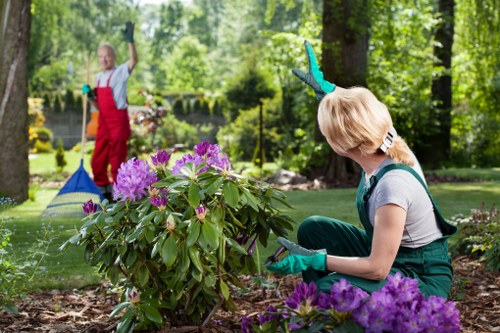
Tree inspections are valuable for more than one reason. They help property owners understand whether a tree is healthy, stable, and suitable to remain where it is. They can reveal concerns such as deadwood, weak branch unions, fungal growth, root disturbance, storm damage, or signs that a tree is leaning more than it should. They also help you decide whether regular monitoring is enough or whether a more urgent response is needed.
For local residents, one of the biggest benefits is peace of mind. A tree may look fine at a glance, yet still have issues that are hard to see without a closer assessment. In dense residential streets, those hidden problems matter because branches, roots, and trunks may affect neighbouring homes, boundary walls, vehicles, footpaths, sheds, or overhead space. An inspection gives you a clearer view of risk and next steps.
For landlords and property managers, inspections can also support responsible maintenance planning. Trees can change slowly over time, so spotting developing problems early often makes the work simpler and less disruptive. This is especially useful where several trees need attention across one site, such as apartment blocks, communal gardens, or mixed-use properties with both private and public-facing areas.
Common situations where an inspection is useful
An inspection can be helpful after a storm, when a tree appears to be declining, before carrying out other garden work, or when a tree is close to a structure and you need to know whether it poses any obvious concern. It is also wise to arrange a check if you have noticed mushrooms near the base, cracked limbs, excessive leaf drop, cavities, or sudden changes in canopy shape. Early assessment often prevents bigger problems later.
In Addiscombe, many customers also request inspections before buying or improving a property. If a mature tree dominates the garden or stands near the boundary, it is useful to know whether it is sound, how much space it really needs, and whether any future work should be planned around it. That kind of practical information can help you make better decisions before starting landscaping, building, or renovation work.
What a tree inspection involves

A proper tree inspection is a careful visual assessment carried out by someone who understands tree structure, health, and common defects. The inspection usually begins with looking at the tree from the ground, checking the trunk, branches, crown, root flare, and the surrounding site. The inspector will look for obvious concerns such as dead branches, splits, poor pruning history, fungal fruiting bodies, or signs of movement in the soil or stem.
The surrounding environment matters too. Trees do not exist in isolation, especially in Addiscombe where gardens can be compact and boundaries are often close. The inspector may consider nearby buildings, driveways, walls, sheds, underground services, and the way the tree is affected by wind or shade. A tree growing in a sheltered courtyard will not face the same pressures as one exposed to open conditions near a main road or open space.
In many cases, the inspection also includes discussing how the tree is used and what you are concerned about. For example, you may be worried about overhanging branches, roots lifting paving, or a tree shedding limbs during bad weather. The more context available, the more useful the inspection is likely to be. Good tree care is always about the tree and its setting together.
Typical points checked during an assessment
- Overall tree condition and vigour
- Signs of decay, disease, or pest activity
- Deadwood and weak or damaged branches
- Cracks, splits, cavities, or included bark
- Root disturbance, soil movement, and basal issues
- Previous pruning cuts and structural response
- Impact on nearby buildings, paths, and boundaries
- Potential need for monitoring, pruning, or further investigation
Depending on the tree and the concern, the inspection may remain visual, or it may lead to recommendations for additional checks. Not every tree requires extensive work. Sometimes the most sensible outcome is simple monitoring and a plan to review the tree again later. In other cases, a defect may need attention sooner. Either way, the aim is to give you practical, plain-English advice you can act on.
Local knowledge makes a difference in Addiscombe

Addiscombe has a mix of property styles that shape how tree inspections are carried out. You will find Victorian and Edwardian homes, post-war housing, flats, maisonettes, and commercial premises along busier local routes. Many gardens are narrow or enclosed, and some trees sit close to side returns, rear access paths, or shared boundaries. Those details can affect how easily a tree can be seen, accessed, and assessed.
A local team understands the practical realities of the area, including limited parking, restricted driveway space, and the need to work carefully around neighbours, parked vehicles, and foot traffic. This matters because an inspection should be thorough without disrupting your day more than necessary. For residents on tight residential streets or properties with limited frontage, having a team that knows how to plan around local conditions is a real advantage.
The same is true for commercial customers. Shops, offices, cafes, care facilities, and managed properties all have their own access needs and safety concerns. Trees near entrance ways, delivery routes, or car parks need a sensible assessment that takes account of public use and the practical constraints of the site. That is why tree inspections in Addiscombe are best handled by people who understand both the trees and the local environment.
Nearby areas and settings often covered
Customers in and around Addiscombe often need inspections for properties near Shirley, Woodside, East Croydon, South Norwood, and Upper Addiscombe, as well as homes and premises along local residential roads and side streets. The needs may differ, but the objective is the same: understand the condition of the tree and reduce the chance of unexpected problems.
If your property includes mature garden trees, boundary trees shared with neighbours, or trees that overhang a pavement or drive, a local inspection can help you understand your responsibilities and your options. It can also help when you are coordinating with other trades, such as landscapers, builders, or fencing contractors, so that work is planned in the right order.
Who needs tree inspections?

Tree inspections are useful for a wide range of customers, not just those with obvious tree problems. In fact, many of the most useful inspections happen before any serious issue has developed. That gives property owners and managers the chance to plan ahead instead of reacting to damage or sudden decline.
Homeowners often need an inspection before making garden changes, after noticing visible defects, or when a mature tree is close to the house or boundary. Trees can add character and privacy, but they also need to be managed carefully when space is limited. A well-timed inspection helps you protect both the tree and the property around it.
Landlords and letting agents may request inspections where trees form part of a rental property’s external maintenance responsibilities. A structured assessment can support safe management and help flag issues that need attention before a tenancy changeover, a gardening contractor visit, or seasonal weather causes further stress.
Other customers who benefit
Managing agents, schools, nurseries, care homes, commercial landlords, and small business owners can all benefit from regular checks. Trees in these settings may need extra care because of frequent footfall, parking, or the need to maintain clear access routes. In some cases, inspection is also useful when you are preparing for refurbishment, roof work, new surfacing, or boundary repairs.
Developers and builders may also need an inspection where trees could affect a project or where construction may affect the trees. Understanding the current condition of a tree before work begins helps avoid unnecessary conflict between the build plan and the site’s existing landscape.
Whatever your role, the value is the same: clear information about the tree, the potential risks, and the practical options available. That makes it easier to decide what to do next and when to do it.
Signs your tree may need attention

Not every tree warning sign is dramatic. Sometimes the early clues are subtle, which is why periodic inspections are so useful. If you notice any of the following, it is sensible to arrange an assessment rather than wait and see for too long.
- Large dead branches or sparse areas in the canopy
- Cracks in the trunk or major limbs
- Fungal brackets, mushrooms, or other decay indicators
- Leaning that seems new or more pronounced than before
- Soil lifting, heaving, or movement around the base
- Leaves dropping early, discoloration, or poor growth
- Branches rubbing, crossing, or showing weak attachment points
- Storm damage, broken limbs, or split stems
- Roots causing lifting, pressure, or disturbance to surfaces
Sometimes the issue is not the tree itself but its relationship with nearby structures. A healthy tree can still be unsuitable if it has outgrown its space, is shading an important area, or is likely to cause repeat nuisance through leaf drop, fruit fall, or branch overhang. An inspection helps distinguish between normal tree behaviour and a genuine concern.
If you are unsure whether what you are seeing is normal, that is a good reason to book a tree inspection. It is usually much easier to investigate early than to deal with damage after a storm or failure event.
How inspections support safer decisions
A professional assessment does not just point out problems. It helps you decide what level of action makes sense. In some cases, a tree may only need light pruning or regular monitoring. In others, a more detailed follow-up may be sensible. If the risk is low, you gain reassurance. If the risk is higher, you gain time to plan properly.
This approach is especially helpful in Addiscombe, where many properties have limited outdoor space and trees must be managed carefully to avoid unnecessary disruption. Instead of guessing, you get a practical opinion based on the tree’s current condition and the demands of the site.
What happens after the inspection?
After the inspection, you should receive a clear explanation of the findings and what they mean for your tree. The next step may be straightforward. For example, you might be advised to monitor the tree, carry out crown reduction, remove deadwood, address a specific defect, or revisit the tree at a later date. The key is clarity: you should understand why a recommendation has been made and what benefit it will bring.
If the tree is close to a building, wall, or public space, the advice may focus on managing the risk rather than simply looking at the tree in isolation. This can be important where branches overhang neighbouring property, roots affect paving, or the canopy may interfere with light and access. A well-assessed tree is easier to manage and less likely to become a problem in the future.
For some customers, the inspection is part of wider site planning. You may want to schedule pruning, remove a problem tree, or coordinate with other garden work. In those situations, the inspection helps make sure the right work is chosen for the actual condition of the tree, not just based on appearance from the ground. That can save unnecessary expense and reduce avoidable disturbance.
Useful outcomes from a tree inspection
- Reassurance that the tree is currently in reasonable condition
- Identification of defects that need monitoring or action
- Advice on pruning, deadwood removal, or further investigation
- Better planning for nearby building or landscaping work
- Improved awareness of how the tree affects the property
Many customers find that the inspection is the most useful stage because it turns uncertainty into a sensible plan. Whether the tree needs immediate attention or simply a watchful eye, you will know where you stand.
How to prepare for a tree inspection
Preparing for an inspection is usually simple, but a few practical steps can make the visit more effective. If you can, think ahead about what you have noticed and when you first saw it. It also helps to mention any recent storms, pruning work, construction nearby, or changes in the tree’s appearance. These details often make it easier to understand what has changed and when.
If the tree is in a rear garden, make sure access is clear if possible. Move temporary items such as bikes, garden furniture, toys, or storage boxes away from the tree. For front gardens or shared spaces, it may also help to let neighbours know if access is needed. In Addiscombe, where space can be tight and parking limited, a little planning goes a long way.
You do not need to trim the tree or try to inspect it yourself beforehand. In fact, it is usually better to leave the tree as it is so that the inspection reflects the real condition of the site. If you are concerned about safety, keep a sensible distance from visibly damaged limbs and avoid using the area beneath the tree until it has been checked.
Simple checklist before the visit
- Note any visible changes, damage, or symptoms
- Clear access where it is safe and practical to do so
- Consider whether neighbouring property is affected
- Share any recent history, such as storms or building work
- Keep children, pets, and vehicles away from unstable areas
These steps are not mandatory, but they make the process smoother and help ensure the assessment is as accurate and useful as possible. If access is difficult, a local team will usually plan the visit around the site and advise you accordingly.
Pricing factors and what affects the cost
People often ask what affects the cost of tree inspections. While exact prices are not fixed because each property is different, several practical factors usually influence the time and complexity involved. Understanding these helps you know what to expect when requesting a quote.
The first factor is usually the number of trees that need checking. A single tree inspection is different from assessing multiple trees across a larger garden, school, or commercial site. The size and accessibility of the trees also matter. A mature tree with a broad crown, or one tucked into a difficult corner, may take more time to assess carefully than a smaller, open-grown tree.
Location and access can also affect the job. In Addiscombe, some properties have narrow side access, limited parking, or shared rear gardens. These conditions do not prevent inspection, but they can influence how the visit is planned and how long it takes. If the tree is near a road, busy walkway, or boundary with neighbouring land, the level of care required may be greater too.
Other factors that may influence the quote
- Whether the inspection is for one tree or several
- The size, age, and condition of the tree
- How easy it is to access the tree safely
- Whether the site has multiple constraints or hazards
- If further investigation or follow-up is likely
When you request a quote, it helps to describe the tree, the location, and your concern as clearly as possible. Photos can also be useful if you are unsure what type of inspection is needed. A local service can then suggest the most suitable next step rather than offering a one-size-fits-all answer.
Contact us today to request a free quote or to discuss the tree you are worried about. If you are ready to proceed, booking the inspection sooner rather than later can help prevent delays, especially after storms or when multiple properties need attention at once.
Why choose a local tree inspection service in Addiscombe?
Choosing a local company for tree inspections in Addiscombe has clear advantages. A local team is more likely to understand the area’s property layout, access limitations, and the types of trees commonly found in residential gardens and shared spaces. That means the inspection can be practical, efficient, and suited to your particular site conditions.
Local knowledge also helps when trees are close to boundaries or when several households may be affected by one tree. This is common in streets with adjoining gardens, corner plots, and shared access routes. A local service can assess the tree with those relationships in mind, which makes the advice more relevant and easier to act upon.
There is also value in working with a team that can respond sensibly to urgent concerns. After heavy weather, you may need advice quickly if a tree has shed limbs, started leaning, or shown new cracks. A nearby service is often better placed to arrange a timely visit and help you decide what should happen next. That responsiveness matters when safety is the main concern.
Benefits customers often look for
- Local experience with suburban gardens and tight access
- Practical advice based on the actual site conditions
- Clear communication for homeowners and commercial clients
- Support for routine checks and urgent concerns alike
- Planning that considers neighbours, parking, and access
Whether your tree is in a private rear garden, near a front boundary, or part of a managed site, local expertise can help you move from uncertainty to action with less hassle.
Areas covered around Addiscombe
Tree inspections are often requested not only in Addiscombe itself but also in nearby parts of Croydon and surrounding neighbourhoods where similar property types and access issues are common. Customers often need help in residential streets, near local shopping areas, and around mixed-use premises where trees may have grown close to paths, walls, and structures.
Typical nearby locations can include areas such as Shirley, Woodside, East Croydon, South Norwood, and other neighbouring parts of the borough. The exact work varies from site to site, but the service remains the same: a careful, practical tree assessment tailored to the property and its surroundings.
If you are not sure whether your property falls within the usual service area, it is still worth enquiring. Local teams can often advise quickly whether a visit is suitable and how best to schedule it. For many customers, the convenience of using a nearby service is one of the biggest reasons to make contact.
Frequently asked questions
How often should I have a tree inspected?
The right frequency depends on the tree’s age, condition, species, and location. A healthy, well-spaced tree may only need occasional checks, while a mature tree near a building, driveway, or busy access route may need more regular attention. If something changes suddenly, such as after wind damage or visible decline, arrange an inspection sooner.
Do I need an inspection if the tree looks healthy?
Yes, sometimes. Many tree issues are not obvious from a casual glance. A tree can appear healthy while still having weak branches, internal decay, or root-related concerns. If the tree is large, close to a structure, or important to a shared property boundary, a professional check can be worthwhile even when there are no obvious symptoms.
Can you inspect trees in small or hard-to-reach gardens?
Yes. Many Addiscombe properties have compact gardens, side access constraints, or shared rear routes. Those conditions are common and manageable. A local team will usually plan the visit around the access available and assess the tree as safely and thoroughly as possible.
Will the inspection tell me if a tree needs pruning or removal?
In many cases, yes, it will help clarify whether pruning, monitoring, further investigation, or removal is the most appropriate next step. The recommendation depends on the tree’s condition, the nature of the defect, and how the tree interacts with the property around it. Not every concern leads to removal; often, a smaller intervention is enough.
Can tree inspections help before building or landscaping work?
Absolutely. If you plan to improve a garden, build near a tree, or repair hard landscaping, it is sensible to understand the tree’s condition first. That helps avoid mistakes, protects the tree where appropriate, and makes it easier to schedule work in the right order.
What if my tree is affecting a neighbour’s property?
Tree inspections can help clarify whether a tree is healthy, how it may be affecting nearby land, and what action is sensible. This is especially useful when overhanging branches, root spread, or visible defects are causing concern on either side of a boundary. A clear inspection can make conversations and decisions easier.
Book your tree inspection in Addiscombe
If you are concerned about a tree, want reassurance after bad weather, or simply need a sensible opinion before planning work, a professional inspection is a practical first step. It gives you clear information, helps you manage risk, and supports better decisions about what to do next.
For tree inspections in Addiscombe, choosing a local service means choosing practical knowledge, efficient planning, and advice that reflects the realities of homes, gardens, and commercial sites in the area. Whether the tree is in a tight rear garden, beside a driveway, or part of a managed property, the right inspection can save time and reduce uncertainty.
Book your service now or request a free quote if you would like to discuss your tree and arrange a visit. If you are unsure what level of inspection you need, start the conversation and explain the situation. A helpful local team can usually point you in the right direction and help you take the next sensible step.